
Can Acupuncture Help Arthritis?

Can Acupuncture Help Arthritis?
Yes, acupuncture can help arthritis for many people, particularly knee osteoarthritis and rheumatoid arthritis pain when used alongside medical treatment. It may ease stiffness, support joint mobility, and reduce reliance on pain medication for some patients. It does not reverse joint damage or replace prescribed treatment, and results vary from person to person.
Acupuncture may help manage arthritis symptoms like joint pain, stiffness, and reduced mobility by stimulating specific points on the body that influence pain signals and circulation. It works best as a complementary therapy alongside conventional medical care, not as a standalone cure. Check our Qi balance Acupunture therapy for fast pain relief and better care.
How Acupuncture May Help Arthritis
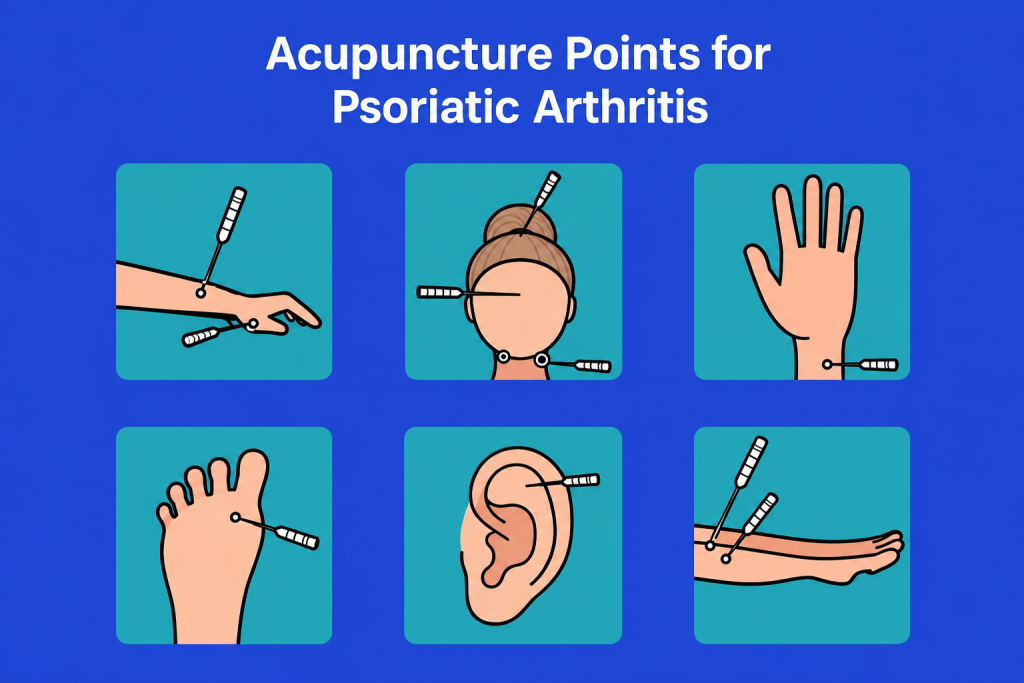
Acupuncture involves inserting very fine, sterile needles into specific points on the body. For arthritis, practitioners typically target points near the affected joint along with points believed to influence broader pain regulation. The goal isn’t to mask pain it’s to influence how the body processes and responds to it.
In Traditional Chinese Medicine, arthritis pain is often described as a disruption in the smooth flow of Qi and blood through the body’s meridians. When that flow is blocked, pain, stiffness, and inflammation tend to follow. Acupuncture aims to restore that balance by working on specific points connected to the affected joint and its surrounding muscles, tendons, and ligaments.
From a modern physiological standpoint, several mechanisms are commonly discussed:
- Endorphin release — needling can trigger the release of the body’s natural pain-relieving chemicals.
- Reduced local inflammation — some studies suggest acupuncture may influence inflammatory markers near the treated joint.
- Altered pain signaling — acupuncture may change how pain signals travel through the nervous system before reaching the brain.
- Improved blood circulation — better circulation around a joint can support nutrient delivery to cartilage and surrounding tissue.
- Better joint mobility — many patients report an easier range of motion after a course of sessions, particularly in the knees, hips, and hands.
None of this means acupuncture repairs cartilage or reverses joint damage. It doesn’t. What it may do is help the body manage pain signals and muscle tension around a joint that’s already under strain which, for many people living with chronic stiffness, is a meaningful difference day to day.
Osteoarthritis vs Rheumatoid Arthritis: Why It Matters for Treatment
Not all arthritis is the same, and how well acupuncture may help often depends on which type you’re dealing with.
Feature | Osteoarthritis (OA) | Rheumatoid Arthritis (RA) |
Cause | Wear & tear of cartilage | Autoimmune attack on joint lining |
Age | Usually 40+ | Any age (often 30–60) |
Joints | Knees, hips, hands, spine | Usually both hands & wrists |
Inflammation | Localized, mechanical | Systemic, immune-driven |
Acupuncture | May reduce pain & improve function | May ease pain & inflammation* |
Primary Treatment | PT, weight management, pain relief | DMARDs, immunosuppressants |
For osteoarthritis, especially in the knee, acupuncture has the strongest supporting evidence among arthritis types. For rheumatoid arthritis, acupuncture is generally viewed as a supportive therapy used alongside — never instead of — prescribed medication, since RA is an autoimmune condition that needs ongoing medical management.
What Does Research Say?
Multiple reviews indexed on PubMed have examined acupuncture for knee osteoarthritis, generally finding moderate improvements in pain and physical function compared to no treatment, though results compared to sham acupuncture are more mixed. The American College of Rheumatology has listed acupuncture as a conditionally recommended option for knee, hip, and hand osteoarthritis, largely because it carries low risk and some patients report meaningful relief.
The National Center for Complementary and Integrative Health (NCCIH) notes that acupuncture may help certain types of chronic pain, including osteoarthritis, but is cautious about overstating its effects, pointing out that study quality and results vary considerably.
Reviews from Cochrane have historically found that acupuncture’s benefit over sham (placebo) acupuncture for osteoarthritis is often small, even when it outperforms no treatment at all an important nuance, since it suggests part of the benefit may involve non-specific effects like relaxation, therapist interaction, or expectation, alongside any physiological mechanism.
For rheumatoid arthritis, research is more limited, but some studies suggest acupuncture may help reduce pain intensity and support quality of life when combined with standard RA medication. It has not been shown to slow joint damage or replace DMARDs.
The WHO and NICE both acknowledge acupuncture as a treatment option for certain chronic pain conditions, generally recommending it be considered within a broader care plan rather than as a first-line or standalone treatment.
Acupuncture vs Medication for Arthritis
Factor | Acupuncture | Medication (NSAIDs, DMARDs, etc.) |
|---|---|---|
Approach | Stimulates points to influence pain and inflammation | Chemically targets pain, inflammation, or immune activity |
Onset of relief | Often gradual, over several sessions | Can be faster-acting, especially for acute flares |
Side effects | Generally mild (soreness, minor bruising) | Can include gastric issues, liver/kidney strain, immune suppression (varies by drug) |
Long-term use | Considered low-risk with a trained practitioner | Often requires monitoring for long-term use |
Best used for | Pain management, stiffness, mobility support | Disease control, inflammation reduction, flare management |
Ideal role | Complementary therapy | Often the primary treatment, especially for RA |
Acupuncture and medication aren’t really competitors for most people with arthritis, they work better as a team. Many patients use acupuncture to manage day to day stiffness and discomfort while continuing their prescribed medical treatment for the underlying condition.
Benefits of Acupuncture for Arthritis
- May reduce joint pain and stiffness, particularly in the knees
- Can support improved range of motion and physical function
- Generally low risk when performed by a trained, licensed practitioner
- May reduce dependence on pain medication for some patients
- Can be combined safely with most conventional arthritis treatments
- May help with associated muscle tension and stress that often accompanies chronic pain
- Some patients experience improved sleep quality when pain is better managed
Limitations of Acupuncture for Arthritis
- Does not reverse cartilage damage or repair joints
- Does not treat the underlying autoimmune process in rheumatoid arthritis
- Results are not guaranteed some people notice little to no change
- Usually requires multiple sessions before benefits become noticeable
- Should not replace prescribed medication, especially for RA
- Effectiveness can be harder to predict for advanced-stage arthritis
Who Should Consider It
Acupuncture may be worth exploring if you:
- Have mild to moderate osteoarthritis, especially in the knee, hip, or hand
- Experience chronic joint stiffness that affects daily movement
- Want a low-risk complementary option alongside your current treatment
- Have tried conventional pain management with limited or partial relief
- Prefer a more individualized approach that looks at overall body balance, not just the joint itself
- Are an office worker or IT professional dealing with stiffness from long hours of sitting or repetitive movement
Who Should Avoid It
Acupuncture isn’t right for everyone. You should be cautious or avoid it if you:
- Have a bleeding disorder or are on strong blood thinning medication, without medical clearance
- Have an active skin infection near the treatment area
- Are pregnant, without first consulting both your doctor and a qualified practitioner
- Have severe, advanced joint damage that may require surgical evaluation first
- Have a pacemaker (certain electro acupuncture techniques may need to be avoided)
If any of these apply to you, speak with your doctor before starting acupuncture.
When to See a Doctor
Acupuncture and natural pain management can support arthritis care, but certain symptoms need medical evaluation without delay. See a doctor promptly if you experience:
- Sudden, severe joint swelling with redness and warmth
- Fever along with joint pain
- Inability to bear weight or move a joint at all
- Rapidly worsening pain that doesn’t respond to rest
- Numbness, tingling, or loss of sensation near the joint
These can indicate infection, a flare requiring medication adjustment, or another condition that needs prompt medical attention not something to wait out with complementary therapy alone.
Root-Cause Digestive Care at Qi Balance
- Pulse & Tongue Analysis
- Non-Invasive Protocols
- Personalized Treatment Plans
- Convenient Marathahalli Location
- Tailored for Busy Professionals
If antacids have become a daily desk drawer routine rather than an occasional fix, it’s time to look beyond temporary relief. At Qi Balance, Practitioner Fathima combines traditional pulse and tongue diagnostic assessment with 100% sterile, non invasive protocols to address the underlying stress load, irregular meal timing, and digestive stagnation driving your recurring bloating and indigestion. Instead of guessing from symptoms alone, we map the exact pattern keeping your gut out of sync.
“Antacids put out today’s fire, but root-cause care fixes the underlying routine. True digestive health isn’t about masking the symptom it’s about restoring your body’s natural flow.”
Conclusion
Antacids, simethicone, and enzymes all have a place. For the occasional bad lunch, they work exactly as intended.
The problem starts when one of them becomes a daily ritual instead of a backup plan. That’s less a medication problem and more a sign that meal timing, stress load, or a deeper stagnation pattern needs an actual look not another tablet.
If your bloating relief keeps being temporary, that pattern is the real conversation to have. With a doctor, if symptoms are severe or persistent. Alongside root cause digestive support, if stress and routine seem to be the bigger drivers. Qi Balance exists for exactly that gap pairing proper diagnosis with non-invasive, ongoing support for Bangalore’s always-on professionals.
Medicine for Gas and Indigestion FAQ
Frequently Asked Questions
Occasional antacid use is generally considered safe for most people, but daily, long term use can mask an underlying acid reflux pattern that deserves a proper look, and certain antacids can interfere with how other medications are absorbed. If you're reaching for antacids most days, it's worth discussing with a doctor or exploring what's driving the frequency.
Gas medicine like simethicone specifically targets trapped air bubbles causing bloating and pressure, while indigestion medicine like antacids targets excess stomach acid causing burning and discomfort. They address different mechanisms, which is why taking the wrong one for your symptom often doesn't help much.
Simethicone breaks up existing gas bubbles but doesn't reduce how much gas your digestive system produces going forward, so if the underlying cause diet, eating pace, stress, or meal timing hasn't changed, the bloating typically returns. This is the most common reason people feel like OTC gas relief only "half works."
Yes. Stress redirects blood flow away from digestive organs and slows gut motility directly, which increases fermentation of food in the intestines and produces more gas, independent of what you actually ate. This is why symptoms often worsen during high-pressure work periods even when your diet stays consistent.
See a doctor if symptoms last more than two weeks, occur several times a week, or come with unintended weight loss, blood in stool, or severe pain these warrant proper medical evaluation rather than continued self medication. Occasional, mild gas and indigestion tied to an identifiable trigger is generally fine to manage with OTC options.